

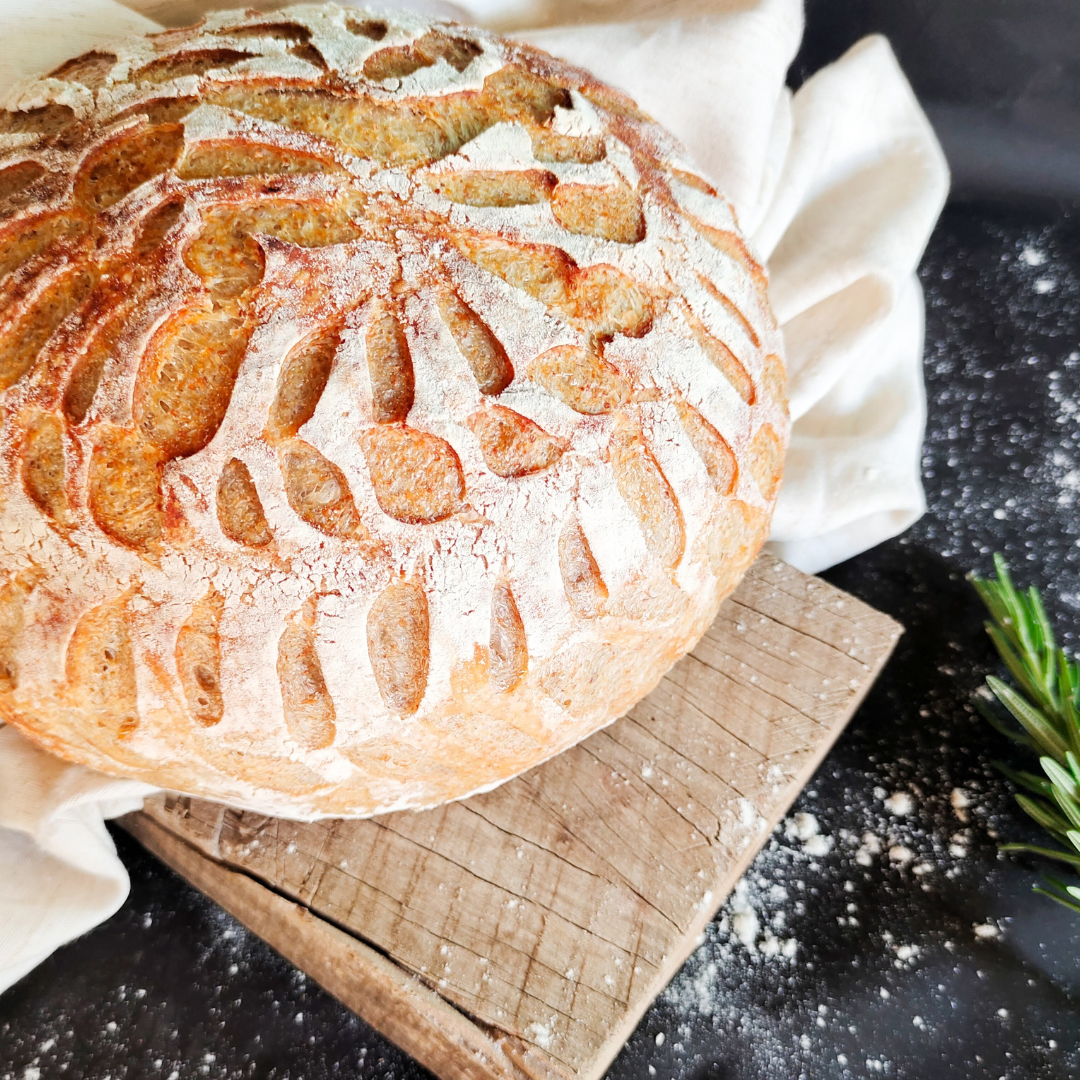
For many people living with IBS, bread has become the enemy.
It’s often one of the first foods people are told to avoid – especially when following a low FODMAP approach to manage symptoms like bloating, abdominal discomfort, and digestive pain. Over time, that advice can turn into a blanket rule: no bread.
But what if bread itself isn’t always the problem?
Across our gut health community, we regularly hear from people who say they react badly to standard bread, yet feel completely different after eating certain types of sourdough. And there’s a scientific reason why this might happen.

The FODMAP connection
For many of the 1 in 5 people in the UK living with IBS, symptoms are triggered by FODMAPs – fermentable carbohydrates that can be difficult for the gut to digest.
These carbohydrates are naturally present in wheat, which is why bread often ends up on the ‘avoid’ list.
But something interesting happens during proper sourdough fermentation.
When bread is made using a long, slow fermentation process, the naturally occurring bacteria and yeasts begin to break down some of the carbohydrates present in the dough. Over time, this fermentation process can reduce the levels of certain FODMAPs, making the bread easier for many people to digest.
Not all sourdough is the same
Sourdough has become incredibly popular in recent years, but not all sourdough is created equal.
Many supermarket loaves labelled as sourdough are produced using faster, industrial methods. They may contain commercial yeast, additives, or only a short fermentation period – meaning the same digestive benefits associated with traditional sourdough may not develop.
True sourdough is made with just flour, water, salt, and time, and it’s that extended fermentation that makes the difference.

This is why many people with IBS find they tolerate properly fermented sourdough, yet react to standard, commercially produced bread.
In other words, it may not be that you’re ‘bread intolerant’ – it could simply be about choosing bread that has had enough time to ferment and become more digestible.
Watch the video about Linda’s personal sourdough preferences and her favourite toppings.
Everyone’s gut is different
Of course, gut health is never one-size-fits-all. Some people with IBS still need to limit wheat products entirely, especially during certain phases of a low FODMAP diet.
But understanding how food is prepared can sometimes open up more options than we realise.
Learning more about sourdough and digestion
If you’re curious about the relationship between sourdough fermentation and gut health, Dr Vanessa Kimbell at The Sourdough School is internationally recognised as a leading authority on bread nutrition and digestibility.
She holds a doctorate in Baking as Lifestyle Medicine and preventative healthcare, and her work explores how traditional bread-making methods can support better digestion and metabolic health.
You can explore more of her research and work here. In the words of Professor Tim Spector: “When it comes to gut health, Vanessa will teach you to make the healthiest bread in the world.”
If you have any questions about how our range of supplements can help manage your symptoms or support your digestive and gut health, please get in touch.

