

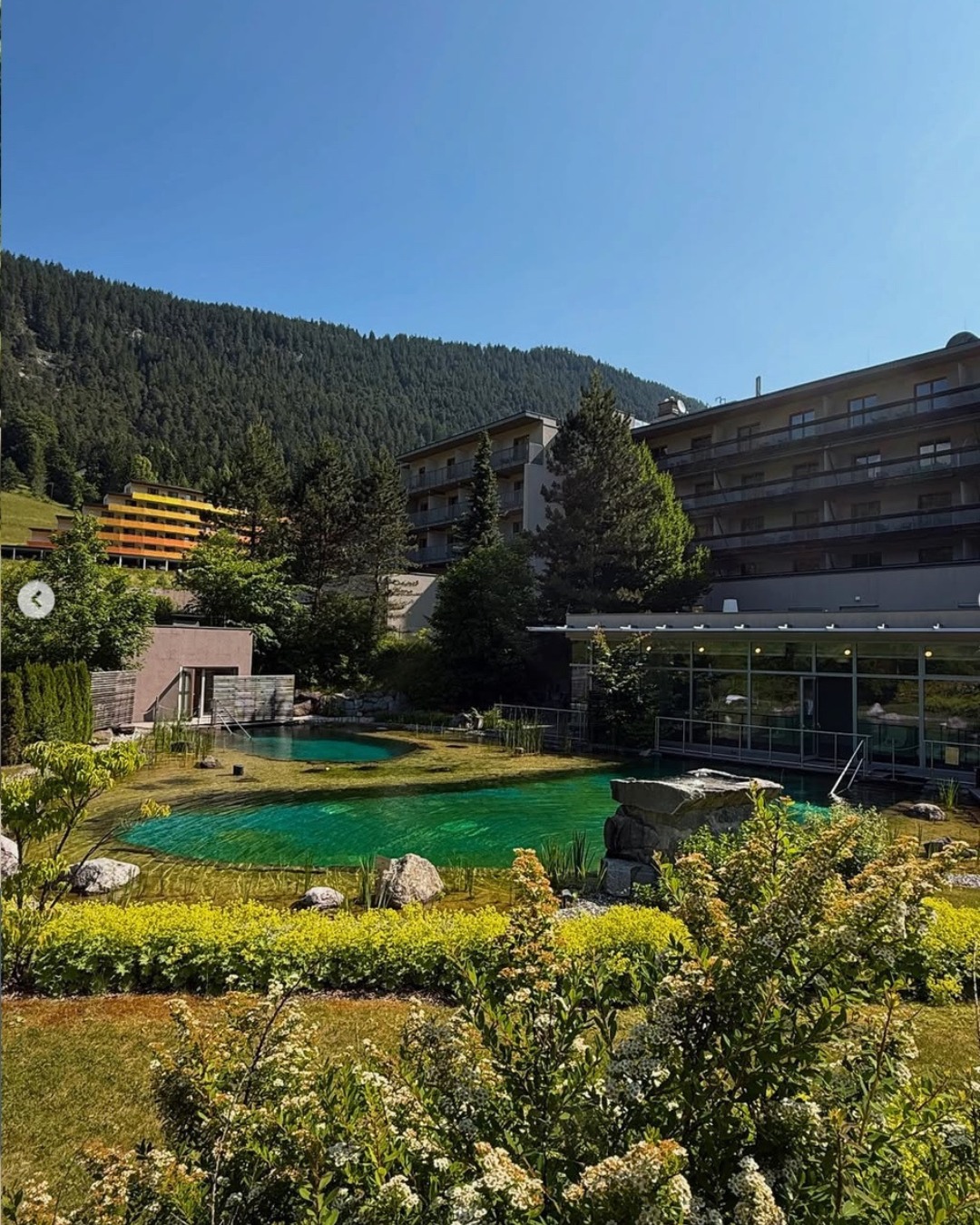
If you missed the content I shared during my reset at Bleib Berg in Austria this April, you can read more here.
What I wanted to share now, though, is something equally important: what happens after the Mayr cure. Because while it’s one thing to commit fully when you’re cocooned in a beautiful medical wellness clinic in the Austrian mountains, it’s another thing entirely to carry those habits back into everyday life.
That, really, is the true test.
The real purpose of the Mayr cure
One thing worth clarifying is that the Mayr cure is not designed to be replicated exactly at home. It’s a medically supervised programme carried out at specialist clinics such as Bleib Berg, where the environment, routines and treatments all work together to support digestive rest and restoration.
But the doctors absolutely hope that guests leave with habits and principles they can continue long after they return home.
For me, my focus during this stay was longevity – not simply living longer, but living well for longer. More energy, better resilience, improved digestion, stronger health and hopefully a healthier future overall.
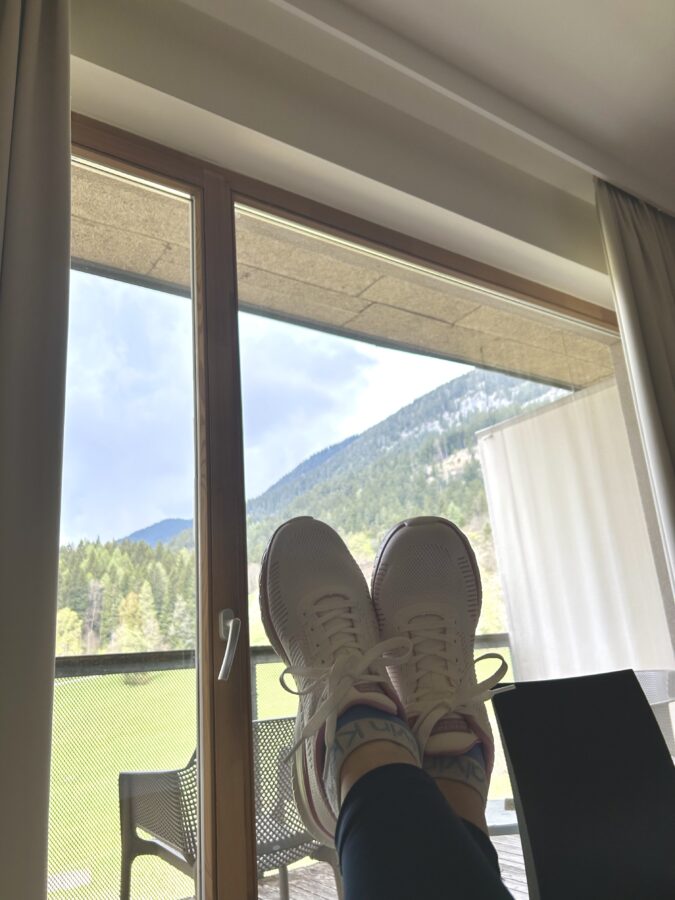
The four habits I’ve tried to keep
At the heart of the Mayr philosophy are four deceptively simple ideas:
1. What you eat
The emphasis is always on quality over quantity: organically grown fruit and vegetables where possible, alongside responsibly raised meat and fish.
The idea is not perfection. It’s simply about nourishing the body with foods that are as natural and nutrient-rich as possible.
Digestive health is increasingly recognised as central to overall wellbeing, with growing research linking gut health to immunity, inflammation, mood and even healthy ageing.
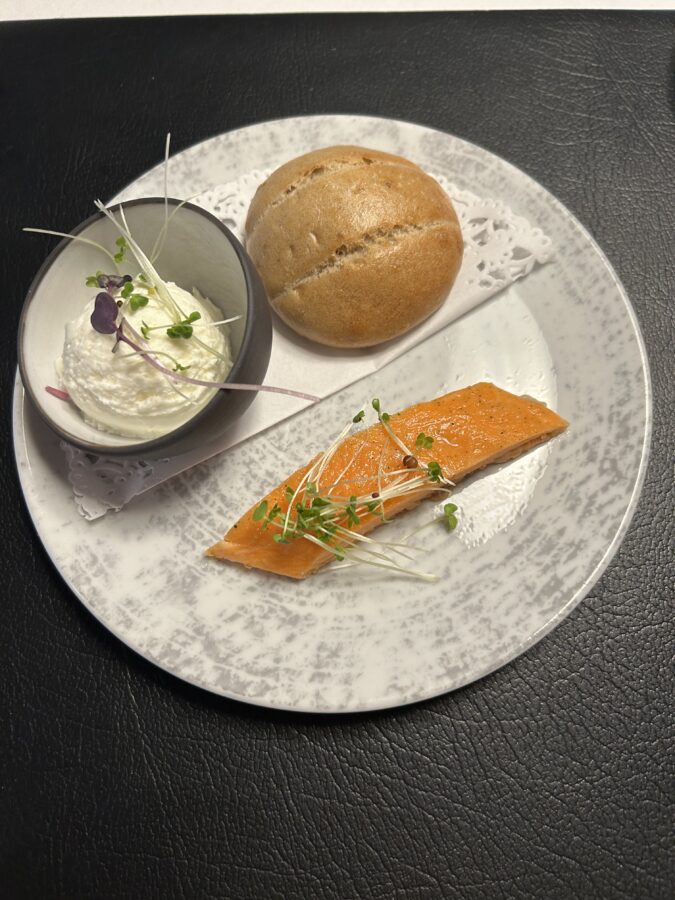
I have continued with the disciplined eating habits I focused on during my retreat. I always have a high protein breakfast that keeps me going through the day, usually eggs, goat’s cheese or smoked salmon, half an avocado and a few cherry tomatoes. Sometimes I will have just one twice toasted slice of rye sourdough with butter on too, (either President or Kerrygold grass-fed butter). I was gifted a bottle of the Bleib Berg organic linseed oil as a thank you for posting on social media about my stay. I’ve been drizzling this on my breakfast every morning. You can buy good quality organic linseed oil from the UK here.
2. How you eat
This was probably the biggest lesson of all for me: chewing properly.
It sounds almost absurdly basic, but most of us rush meals without even realising it. At Bleib Berg, eating became slower and far more mindful.
The digestive process begins in the mouth, not the stomach, and thorough chewing helps reduce digestive strain while improving nutrient absorption. It also naturally slows eating, helping us recognise fullness more effectively.
I still catch myself slipping back into old habits at times, but I’m far more conscious of it now.
3. When you eat
The Mayr approach encourages three meals a day, around four hours apart, without constant snacking.
There’s also an emphasis on giving the digestive system proper rest overnight, ideally through a 16-hour fasting window where appropriate.
Intermittent fasting continues to be widely researched in longevity science, particularly for its potential role in metabolic health, blood sugar regulation and cellular repair processes linked with healthy ageing.
This is another practice I have continued with since returning – eating my last meal at around 6pm and not eating again until around 9 or 10am. Not easy when I wake up around 6am, but I’m trying to keep myself occupied so that I can complete the 16-hour fasting window. What I should do is go for a walk and then have breakfast, but some old habits die hard.
I’m also trying to drink more water. One of the tests I had at the clinic did pick up that I was dehydrated so I have been carrying water around with me everywhere I go. I put a large glass of water next to the bed and as soon as I wake up, I drink it – a good new habit.
4. How much you eat
One wonderfully practical tip I brought home was this: use a tea plate instead of a dinner plate. By simply reducing portion size by around a third, you naturally eat less without feeling deprived. It’s remarkable how quickly the body adapts.
The reality is that many of us have become accustomed to oversized portions. Eating slightly less, more slowly and more consciously can have a profound impact not only on weight management but on digestion, energy levels and long-term health.
If anyone can genuinely master these four principles, I suspect they would see benefits far beyond digestive health alone.
The habits I’ve continued at home
Of course, home life is very different from a health resort in the Austrian mountains.
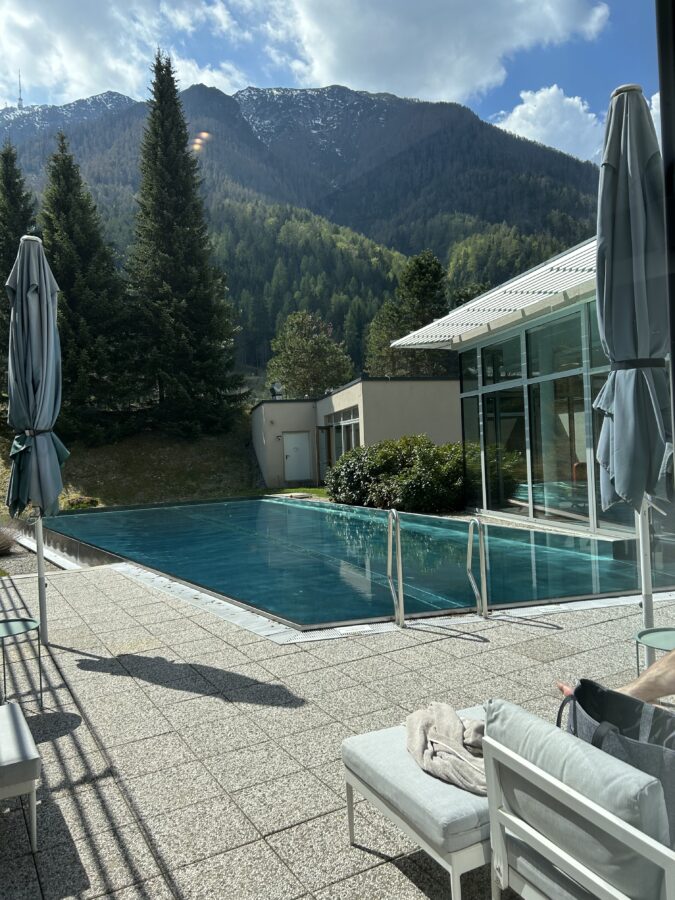
At Bleib Berg, I swam daily in the mineral-rich indoor and outdoor pools, used the gym regularly and had uninterrupted time to focus entirely on wellbeing. Back home, life is fuller and far busier.
But I have worked hard to keep up the exercise. I’m walking far more and have started working with a personal trainer at my local gym, which has given me accountability and structure.
I’ve also gone back to taking the Base Powder – the alkalising salts prescribed during the cure – although now just once each morning rather than several times a day as during the programme itself.
And perhaps most importantly, I’ve tried to hold onto the mindset of the cure: slowing down, eating more consciously and paying greater attention to what my body is actually telling me.
Longevity is about more than food
What became increasingly clear to me during and after this experience is that longevity is not simply about digestive health, nutrition or exercise.
It’s about relationships. Purpose. Community. Emotional wellbeing. Faith. Resilience.
There is now an enormous body of research showing that strong social connections are among the most important predictors of health and longevity.
One of the most famous studies – the Harvard Study of Adult Development, which you can read in full here – has followed participants for more than 80 years. Researchers repeatedly found that people with the warmest, strongest relationships tended to live longer, healthier and happier lives. In many cases, close relationships proved more important than wealth, status or even genetics.
This landmark report from the WHO Commission on Social Connection highlights that social isolation and loneliness are widespread, with serious but under-recognised impacts on health, wellbeing, and society. It makes a compelling read; it’s a call to act – and an invitation to build a more connected, healthier world. Read the full report here.
What I find fascinating is that scientists are now increasingly placing social connection in the same category of importance as sleep, exercise and nutrition when discussing healthy ageing.
Faith, purpose and resilience
The research around faith and spirituality is more nuanced, but many studies suggest benefits where faith provides meaning, hope, emotional resilience and a supportive sense of community.
That faith may be religious for some people. For others, it may simply be faith in themselves and in their ability to get through life’s difficulties with courage, steadiness and optimism. Modern longevity research increasingly points towards the importance of purpose and emotional wellbeing in healthy ageing.
And perhaps that is because stress, isolation and chronic anxiety place enormous strain on the body over time. Connection, belonging and meaning appear to help protect us – emotionally and physically.
I’ve certainly experienced periods in life that tested my own resilience. One of the hardest was losing my dad suddenly, just five weeks before his first great-grandchild was born. I didn’t handle the grief well at all. I had always thought of myself as a strong and capable woman, but losing my dad completely floored me, especially alongside caring for my mum as her dementia worsened.
Looking back, I also realise I wasn’t very good at asking for help or sharing how overwhelmed I truly felt. I suspect many women, particularly eldest daughters, will understand this instinctively. There is growing discussion around how eldest children – especially eldest daughters who often grow up taking responsibility for siblings, parents or the emotional stability of the household – can become highly dependable adults who struggle to relax, express vulnerability or ask for support themselves.
That was certainly true for me.
One of the greatest lessons I’ve learned over the years is that strength is not about carrying everything alone. Real resilience often comes from allowing yourself to lean on others, to share the load and to understand that opening up about your struggles is not burdening people – it’s part of being human.
What I ultimately took away from Bleib Berg
When I went to Bleib Berg in April, I arrived thinking primarily about physical health and longevity. I left understanding that true longevity is far more holistic than I had appreciated.
Yes, nutrition, movement and digestive health matter. But so do relationships, joy, rest, purpose, and community. Slowing down enough to actually experience life properly.
The Mayr cure gave me a reset physically, but perhaps even more importantly, it reminded me what good health is really for: having the energy and wellbeing to fully participate in life, for as long as possible.
Yours in good health
Linda

