


Bowel cancer rates are rising among younger adults. Cancer Research UK data shows that bowel cancer incidence in people aged 25-49 has increased by around 62% since the early-1990s, even though absolute rates remain lower than in older adults.
What is going on? Emerging research is exploring potential drivers of this trend – particularly dietary patterns dominated by ultra-processed foods (UPFs) and low intake of protective foods like fibre-rich whole foods.
- A recent JAMA Oncology study found that adults under 50 who consumed very high levels of UPFs (e.g., processed snacks, ready meals) had an approximate 45% higher risk of developing precancerous bowel growths (adenomas) compared to those with the lowest intake.
- These adenomas often precede bowel cancer over time.
While this research doesn’t prove causation, it aligns with broader evidence that poor diet quality – high UPFs, low fibre – is linked to cancer risk and other health issues.
It may sound scary, but there are some simple ways you can protect your health. A great starting point is to ensure you are consuming enough fibre. Adults are advised to aim for around 30 g of fibre per day from whole food sources.

The power of fibre
Dietary fibre plays several protective roles:
- It speeds waste movement through the digestive system, reducing the time harmful compounds contact intestinal walls.
- It feeds beneficial gut bacteria, supporting a healthy microbiome linked to lower inflammation and reduced cancer risk.
- Multiple analyses show high-fibre diets are associated with a lower risk of colorectal cancers and polyps.
Real-world tips to increase fibre
Here are practical, lifestyle-friendly ways to boost your intake:
At every meal
- Breakfast
- Choose wholegrain cereals (e.g., bran, oats) or wholegrain toast
- Add fruit (berries, banana) and seeds to yoghurt or porridge
- Lunch
- Build meals around pulses – chickpeas, lentils, beans in salads or soups
- Swap white bread/pasta/rice for wholegrain versions
- Dinner
- Add more vegetables (broccoli, carrots, leafy greens) – aim for variety
- Leave skins on potatoes/carrots where edible for extra fibre
- Try vegetable-heavy stir-fries, stews or curries
Snacks that help
- Whole fruit (apples, pears, berries)
- Raw veggie sticks and hummus
- Handfuls of nuts and seeds
- Popcorn (lightly seasoned)
Hydration matters
Fibre needs fluid – aim for 6–8 glasses of water daily to help it work effectively.
Supplementing with our Fibre tablets
Supplements can support intake when your diet alone falls short – especially for people who:
- Struggle with weight loss or appetite
- Have restricted diets (e.g., due to allergies)
- Need targeted digestive support
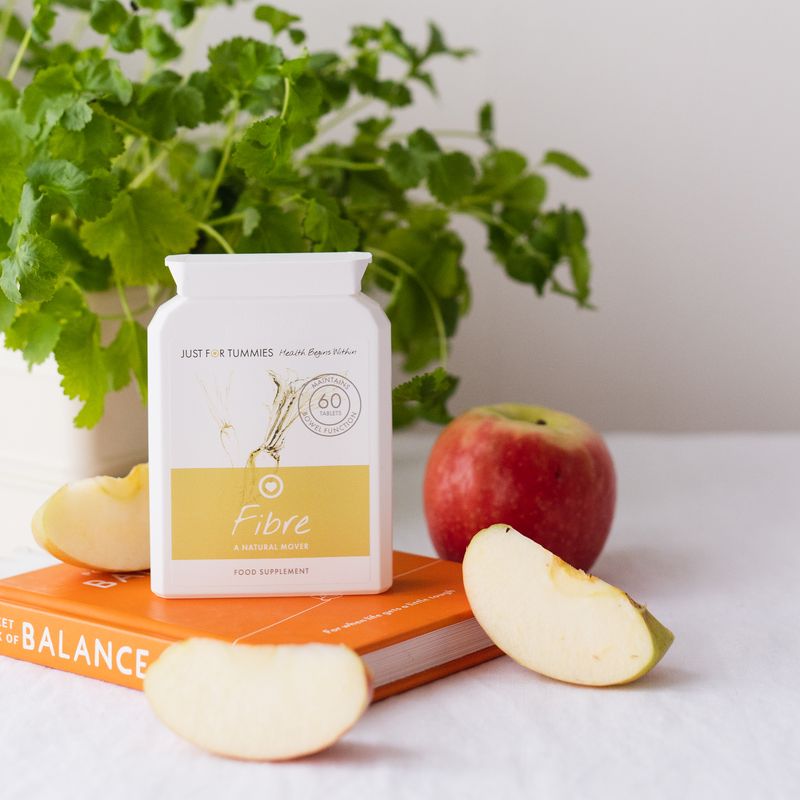
To get the most from our Fibre tablets
- Our Fibre tablets are manufactured using an exclusive process and contain 74% vegetable material, with only the minimum amount of excipients required to form the tablet. This makes them rich in four important types of fibre, helping to increase faecal bulk.
- The tablets can absorb up to eight times their own weight in water, so it is important to take them with a full glass of water.
In short, a diet rich in fibre and whole foods, with reduced ultra-processed foods, will support your digestive health and may help reduce long-term risk of bowel cancer. If you need any further advice about any of our supplements and how they can help you live well and live long, please get in touch.

