


I love autumn. It always makes me think of the Keats poem ‘To Autumn’ and his beautiful description of the ‘season of mists and mellow fruitfulness’. It also reminds me of my school days, celebrating harvest festival, when we were encouraged to take something for the school harvest festival assembly. I remember the tables on the stage in the school hall laden with fruits and vegetables and singing ‘We plough the fields and scatter’. Happy days.
Autumn is also a time to start thinking about something much more practical: how I can support my health and immune system as we head into the colder months.
With more colds and respiratory infections circulating, I like to use this change of season as a reminder to focus on good food, fresh air, rest and the supplements and herbal remedies that form part of my own routine.

Eating well for autumn and winter
One of my favourite things about autumn is the abundance of seasonal produce. I enjoy visiting my local farmers’ markets and stocking up on carrots, parsnips, potatoes, squash, apples, leafy greens and other colourful fruit and vegetables. Seasonal goods that are perfect for warming, nourishing meals such as soups, casseroles and slow-cooked stews.
A varied diet provides the vitamins, minerals and other nutrients our bodies need to support normal immune function. So, before reaching for supplements, I always think about the basics: good food, plenty of fluids, fresh air, movement and enough sleep.
My autumn immune-support routine
As autumn approaches, I also revisit the herbal remedies and supplements I personally use during the colder months. I share more about my supplement routine in this video.
Thyme and liquorice syrup
Thyme and liquorice are two traditional herbal ingredients that I like to take in syrup form during the colder months, particularly when respiratory symptoms are around.
I see this more as part of my traditional winter wellness routine than as a replacement for medical treatment. Herbal products can vary considerably in their preparation and strength, so it’s important to use them appropriately. I have been working with a highly experienced medicinal herbalist, Katherine Bellchambers for many years now. You can read more about her here.
Elderberry syrup
Elderberry has a long history of traditional use for colds and flu. There is some preliminary research suggesting that elderberry may help relieve symptoms of colds, flu and other upper respiratory infections. It tastes lovely too!
Echinacea tincture
Echinacea is another traditional remedy that I turn to during the colder months. Research into echinacea and the common cold has produced mixed results. Some studies suggest certain echinacea preparations may have a modest effect on reducing the symptoms of the cold. Different echinacea products contain different species, plant parts and preparations. I’ve been taking A. Vogel’s echinacea tincture during the colder months for the best part of 30 years now and it’s stood me in very good stead.
It’s important to distinguish between a remedy that forms part of your personal wellness routine and something that has been firmly established as an effective treatment.
Supplements I take during autumn and winter
Alongside my herbal remedies, there are several supplements that form part of my regular routine.
Garlic
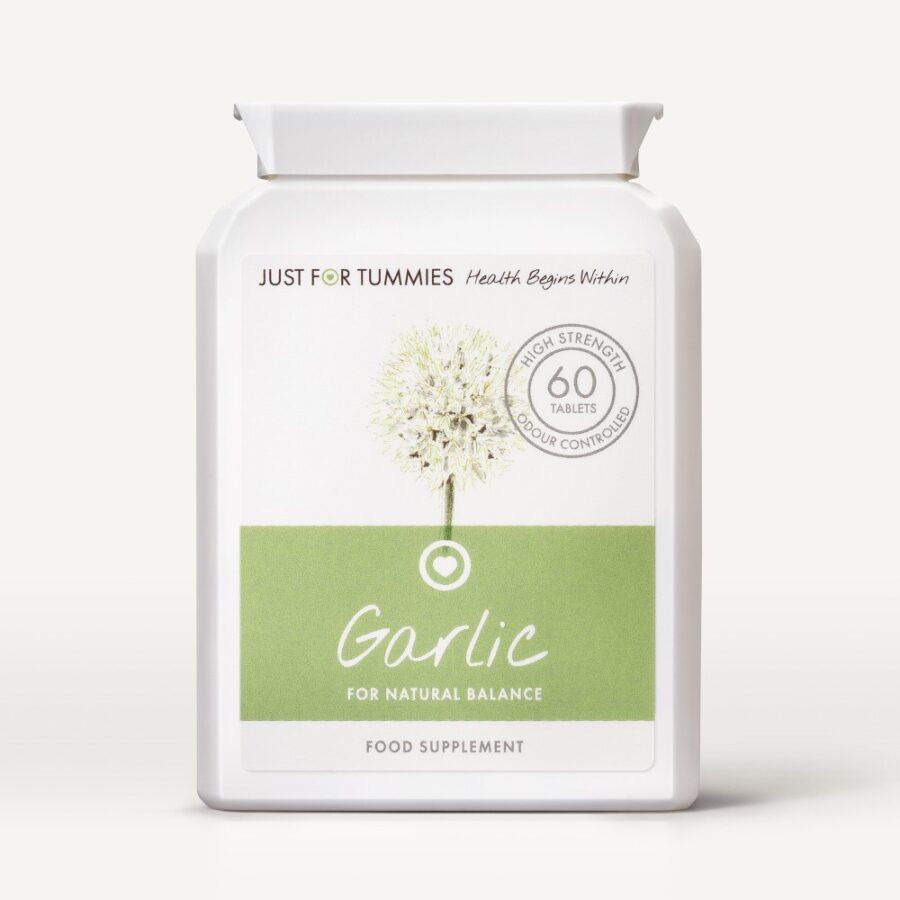
I take our Garlic tablets as part of my general health routine.
Garlic has been widely studied for its potential health effects, although claims about supplements specifically preventing or treating infections should be treated with caution. Garlic has antibacterial, antimicrobial, and antiviral properties, making it a worthy choice when it comes to boosting immune support.
Omega 3
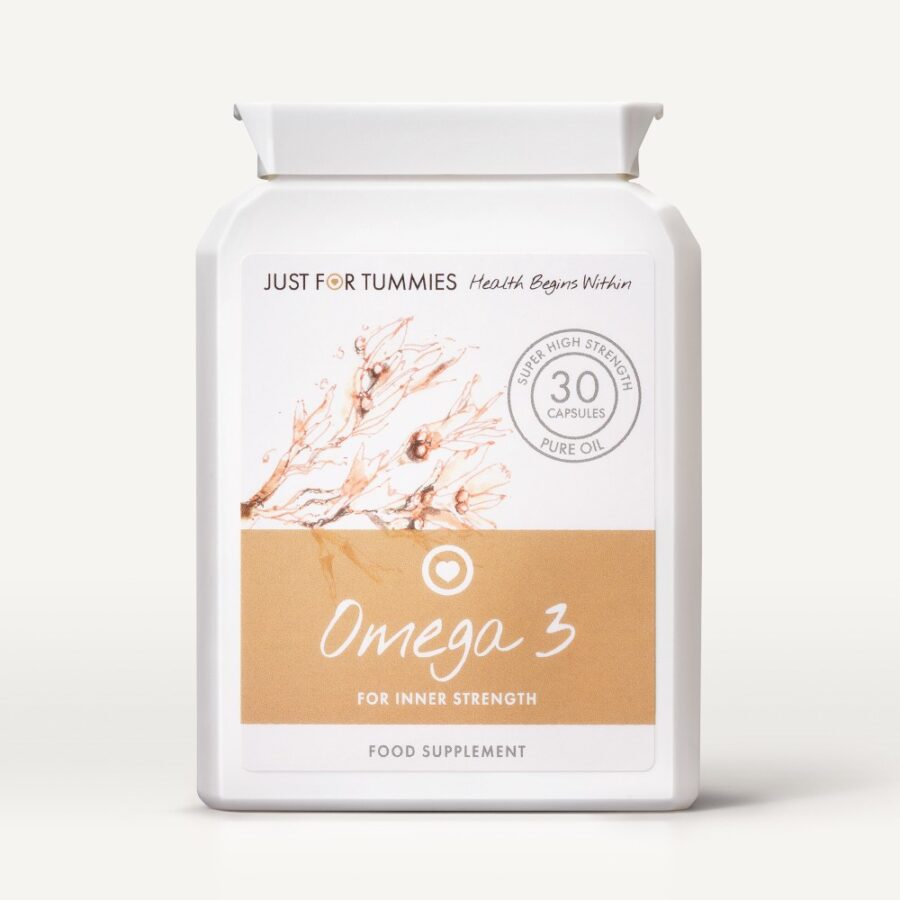
I take one of our Omega 3 capsules daily; even though I do eat plenty of oily fish, I was advised by the doctors at the Mayr Bleib Berg clinic to top up due to my family history of strokes and dementia.
Live Bacteria
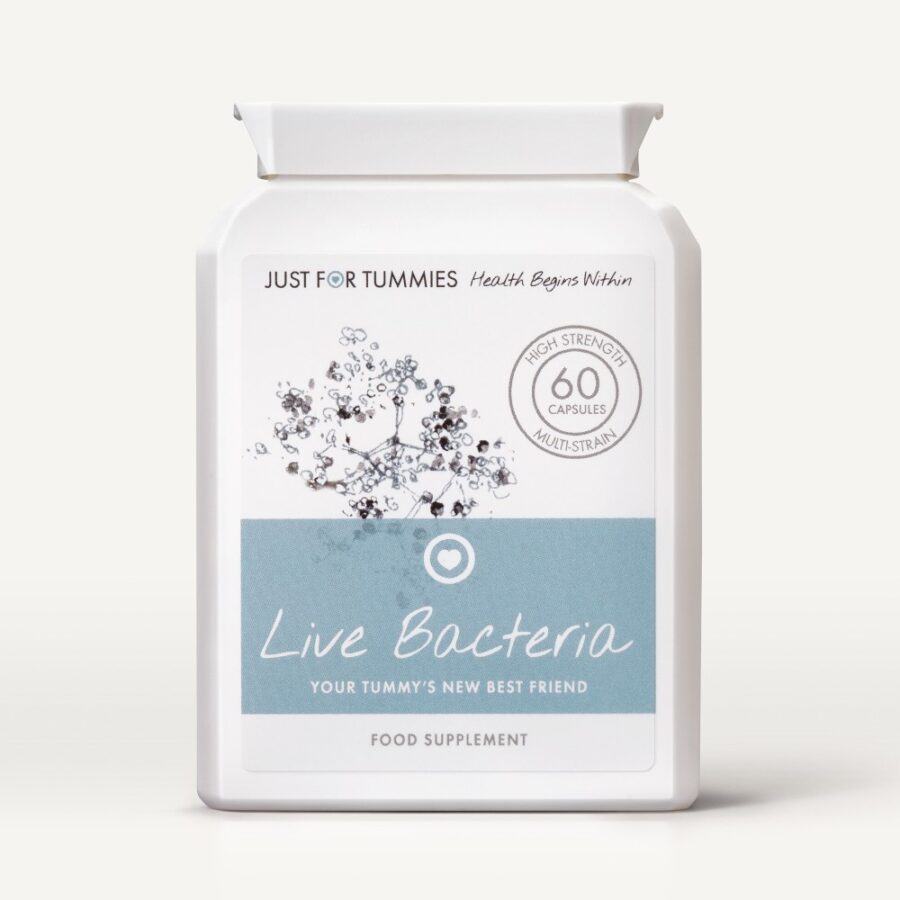
I have taken Live Bacteria capsules daily for decades because supporting my gut health is a no-brainer for me.
Research suggests that certain Lactobacillus and Bifidobacterium strains may have immune-modulating and other health-promoting properties. However, probiotic effects can be highly specific to the strain and product, so it is important not to assume that all probiotics will have the same effects.
Our Live Bacteria formulation contains three Lactobacillus species – Lactobacillus rhamnosus, Lactobacillus acidophilus and Lactobacillus casei – alongside Bifidobacterium breve. These beneficial bacteria have been researched for their potential roles in supporting gut health and modulating immune responses, with studies exploring the effects of L. rhamnosus, L. acidophilus, L. casei and B. breve on the gut microbiota and immune function.
Read more here.
Vitamin C
Vitamin C is an essential nutrient and plays an important role in normal immune function.
I personally use Biocare’s magnesium ascorbate powder as part of my supplement routine. However, I would not recommend copying a high-dose regimen without individual advice. Research suggests that regular vitamin C supplementation may modestly reduce the duration and severity of colds for some people, but it does not appear to prevent colds in the general population. High doses can also cause digestive problems, so choose your vitamin C mindfully.
If you’re considering taking a high dose of vitamin C, it’s sensible to discuss this with a qualified healthcare professional.
Vitamin D
Vitamin D is particularly relevant as we move into autumn and winter.
In the UK, sunlight is not strong enough for our bodies to make sufficient vitamin D during the winter months. The NHS advises that adults and children over four should consider taking a daily supplement containing 10 micrograms (400 IU) of vitamin D during autumn and winter.
I had my vitamin D levels checked at the Bleib Berg Mayr clinic in April and they were within the normal range. I will therefore continue taking 20,000 IU once a week throughout the colder months, as recommended by Dr David Grimes, a UK expert in vitamin D.
If you have had a blood test showing low vitamin D, or you take other supplements or medicines, speak to your healthcare professional about the appropriate dose rather than simply increasing it yourself.
Don’t forget fresh air and daylight
Supplements are only one part of the picture.
Even when the weather is cooler, I try to get outside every day. A brisk walk, some daylight and a little fresh air can make a big difference to how we feel as the days get shorter.
Autumn is actually one of my favourite seasons for walking. Put on your boots, wrap up warm and enjoy those changing colours while they last!

Supporting children’s health through autumn
I also think about the younger members of the family at this time of year.
My granddaughter, Jessie and grandson, Justin happily take a multivitamin and mineral tonic, which is an easy way of helping to fill nutritional gaps when needed.
Occasionally they both experience constipation, and I have found that adding the contents of a Live Bacteria capsule to their milk periodically has been useful for their digestive routine, as well as supporting their immune system throughout the colder months.
Children’s nutritional and supplement needs are different from adults’, and supplements shouldn’t automatically be given to children without checking that the product and dose are appropriate for their age.
If your child has ongoing constipation, recurrent infections or another health concern, it’s always best to discuss this with your GP, pharmacist or other qualified healthcare professional.
A little preparation can go a long way
For me, preparing for autumn isn’t about trying to avoid every cold or virus. It’s about giving my body the best foundations I can: good seasonal food, fresh air, rest, healthy digestion and sensible supplementation where appropriate.
If you’d like advice about your own supplements, herbal remedies or autumn wellness routine, please get in touch.
Further reading and research
- The NHS guidance on vitamin D explains the UK recommendations for autumn and winter.
- The NIH Office of Dietary Supplements information on immune function and supplements provides an evidence-based overview of nutrients including vitamin C.
- The NCCIH evidence review on echinacea, elderberry and other complementary approaches to the common cold is useful for understanding what the research does — and doesn’t — show.
This article describes my personal approach to seasonal wellbeing and is not intended to diagnose, treat or prevent illness or to replace individual medical advice.

