


Seasonal recipes, gut health advice, a special giveaway and everthing that’s happening at Just For Tummies this September
I’ve always loved the change of seasons. Each one brings a different focus, and when September rolls around, I naturally start thinking about immunity, strengthening our defences and giving the gut a bit of extra attention after the summer.
For me, autumn is a great time to take stock of how you’re feeling, clear out what’s not serving you and get your digestion back on track – with knowledge, practical steps and a little less reliance on the medicine cabinet.
I think you’ll all agree that it’s been, in many ways, a challenging few months. Long, extremely hot days, high levels of humidity, disrupted routines, travel, different foods, late nights (and unsettled sleep), and perhaps a few more summertime treats than usual have probably left us all feeling a little off. Our digestion may not be as settled, our energy may be flagging, our mood may have be affected, and our usual healthy habits may have taken a bit of a holiday. I know mine have. I don’t handle the hot weather very well at all, (I never have done), and there have been times these past couple of months or so when I’ve checked my blood pressure and it’s been on the high side; it’s usually low, so I know I need to slow down and autumn is the perfect time for doing just that.
So, rather than seeing September as a month of restriction or yet another round of ‘getting back on track’, let’s look at it differently – a chance to restore, replenish and support.
Let’s return to the basics: nourishing food, good routines, plenty of movement, restorative sleep, a happy gut and giving our bodies the nutritional support they need as we head towards the cooler months.
And we have a LOT planned at Just For Tummies this month.
From gut health and immune support to brain health, protein-packed breakfasts, a healthy soup and one very special giveaway, here’s everything coming your way in September.
Our September reset giveaway with Castorvida
We’re kicking off the month with something rather special.
We’ve teamed up with our friends at Castorvida for a wonderful autumn wellbeing giveaway – one lucky winner and a friend will receive a Castorvida castor oil pack, alongside our Just For Tummies Digestive Care Kit and a pot of our Charcoal capsules. You can find out more about the benefits of the castor oil pack here.
It’s the ultimate September reset bundle!
Castor oil has a long history of traditional use, particularly as a stimulant laxative, and castor oil is also widely used in topical wellbeing and skincare practices. There is growing interest in castor oil packs for liver support, and they also make a lovely self-care ritual for September – the perfect time to slow down, reconnect with your body and introduce some nourishing rituals back into your routine.
Our Digestive Care Kit contains four targeted supplements designed to work alongside a healthy diet and lifestyle to support your digestive wellbeing:
- Live Bacteria – to help support a healthy balance of beneficial bacteria in the gut.
- Digestive Enzymes – to support the body’s natural digestive processes.
- Omega 3 – an important source of essential fatty acids, with benefits extending beyond digestion to general and brain health.
- Garlic – a powerful traditional botanical with well-known antimicrobial and antiviral properties, making it a great addition when you’re looking to support your immune defences.
Charcoal – you may have heard of activated charcoal, but how do charcoal capsules actually work?
Activated charcoal has a highly porous structure that allows certain substances to bind to its surface in the digestive tract. This property is why activated charcoal has an established role in certain poisoning and overdose situations under medical supervision.
We’ll be looking at how our Charcoal supplement can help to give the stomach a good ‘deep clean’ as the seasons change, helping with relieving trapped gas and reducing bloating.
Keep your eyes peeled for details on how you can win this reset bundle, coming to your inbox soon! Don’t forget to follow us on Facebook and Instagram as the giveaway will be posted on those platforms.
The September autumn reboot: body and mind
What does an autumn reset actually mean?
Not a punishing detox, or surviving on green juices – and definitely not feeling guilty about everything you ate over the summer!
Instead, we’ll be looking at small, sustainable changes that help you feel more like yourself again.
Think:
- More colourful, nourishing food
- Better hydration
- Getting your sleep routine back
- More regular movement
- More protein and fibre
- Looking after your gut
- Thinking ahead about vitamin D
- Giving your brain some attention too
The NHS recommends that adults consider taking a daily vitamin D supplement during autumn and winter, when sunlight in the UK is not strong enough for most people to make sufficient vitamin D. Since speaking with Dr. David Grimes, one of the UK’s experts on vitamin D and vitamin D deficiency, I have taken his recommendation, one of these capsules once a week. I had my vitamin D levels checked at the Bleib Berg Mayr clinic in April and they were within the normal range. I will therefore continue taking 20,000 IU once a week throughout the colder months, as recommended by Dr Grimes.
Recipe 1: Linda’s favourite protein-packed sourdough breakfast
If there’s one change we’d love to see more people make this autumn, it’s putting a little more protein into breakfast, especially if you are a woman over 50 and post-menopausal.
Breakfast is often the meal where protein gets overlooked – particularly if we reach for toast, cereal or something sweet and head out the door.
Spreading protein more evenly across the day is an interesting area of nutrition research. Some studies suggest that having more protein at breakfast may help support muscle protein synthesis, although we still need more research to know whether this translates into meaningful improvements in muscle mass and strength. Read more here.
Our September breakfast recipe brings together protein, healthy fats, fibre and sourdough for a much more satisfying way to start the day. Stay tuned to add the recipe to your collection! Here’s a taster – it’s a personal favourite of mine.
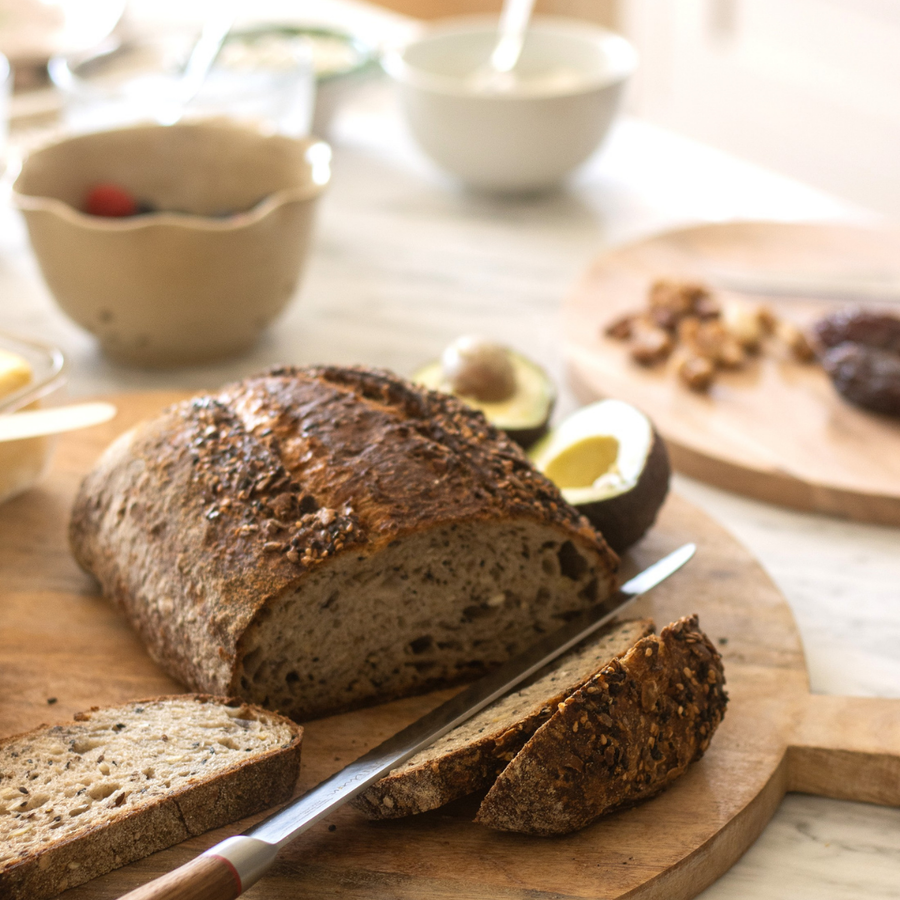
We haven’t quite finished with sourdough…
Why are we talking about sourdough?
Because sourdough is more than just delicious! The fermentation process uses a community of lactic acid bacteria and yeasts, and research suggests that fermentation can influence the way the bread’s carbohydrates and proteins are digested.
Research has found that some sourdough breads produced a lower post-meal rise in blood glucose compared with control breads; it also found differences in gastrointestinal responses, digestibility and post-meal glucose responses between sourdough and conventional yeast breads. Read more here.
But there’s an important caveat: not all sourdough is created equal. Flour type, fermentation time, starter culture and production methods can all make a difference, so we shouldn’t assume that every loaf labelled ‘sourdough’ will automatically deliver the same benefits.
Our advice?
Choose a good-quality, traditionally fermented sourdough where possible, pair it with a protein-rich topping and enjoy it as part of a varied, balanced diet.
Recipe 2: Our cosy Carrot and Walnut Soup
As the weather cools, we’re swapping salads for something wonderfully warming.
Our Carrot and Walnut Soup is autumn in a bowl – comforting, colourful and packed with ingredients that bring plenty to the table nutritionally.
Why carrots?
Carrots are rich in beta-carotene, the plant pigment that gives them their vibrant orange colour. Your body can convert beta-carotene into vitamin A, which plays an important role in normal immune function, vision and maintaining healthy skin and mucous membranes.
And the walnuts?
Walnuts bring healthy unsaturated fats, fibre and plant-based nutrients to the recipe, making them a particularly lovely addition to a nourishing autumn meal.
September is also Alzheimer’s Awareness Month
Later this month, we’ll be turning our attention to something incredibly important: brain health.
Looking after your brain isn’t something that suddenly starts when you’re older. Many of the habits associated with healthy ageing are things we can work on throughout adult life.
So, what can we do to support our brains?
- Keep moving
Regular physical activity is one of the lifestyle factors with some of the strongest evidence behind it when it comes to dementia risk. The Alzheimer’s Society notes that regular exercise may reduce the risk of developing dementia, with evidence supporting both aerobic and strength-building activity.
It doesn’t have to mean joining a gym. Walking, swimming, cycling, dancing, gardening – it all counts.
- Eat for your whole body – and your brain
A Mediterranean-style dietary pattern, rich in vegetables, fruit, wholegrains, nuts, olive oil and fish, is associated with good overall health and may be beneficial for brain health.
- Don’t forget Omega-3
Omega-3 fatty acids, particularly DHA and EPA, are important components of cell membranes and play important roles in normal brain function.
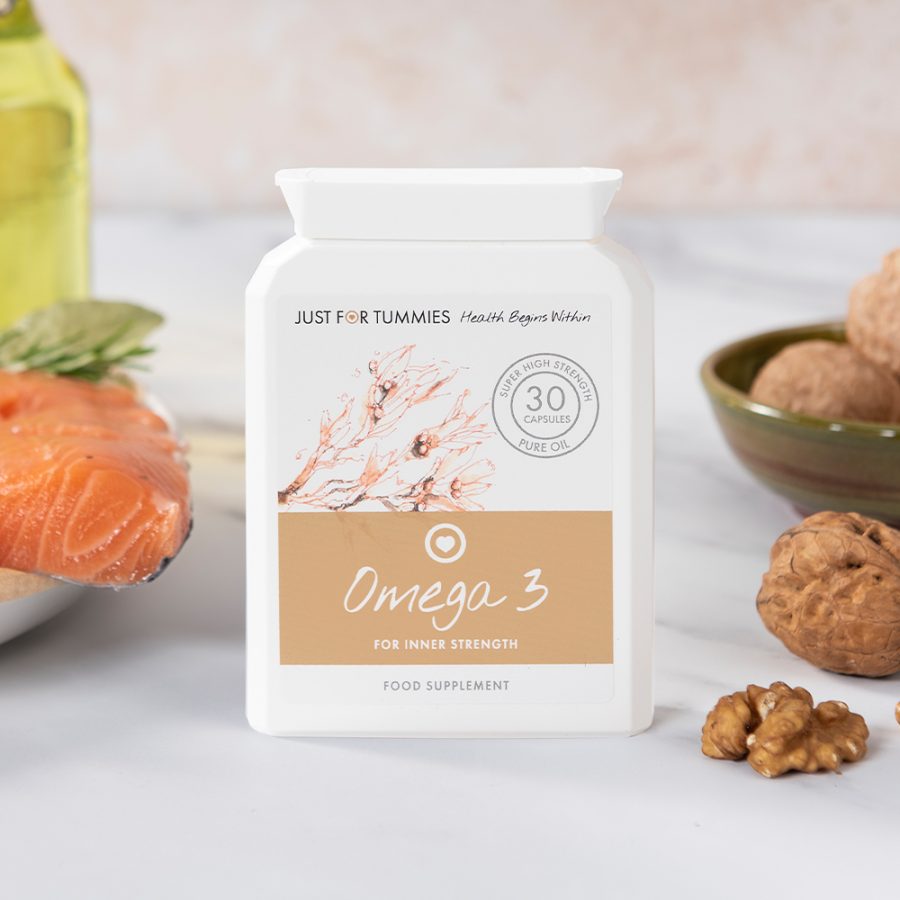
There is interesting research linking higher omega-3 status with cognitive health. For example, one long-term cohort study found that higher blood levels of EPA and DHA were associated with lower dementia risk and less decline in some measures of cognition. When I was at the Bleib Berg Mayr clinic in April, I asked one of the doctors what is the single most important thing we can do to protect our ageing brain – she said plenty of omega 3.
While omega-3 is not a cure for Alzheimer’s disease, and taking an omega-3 supplement won’t prevent dementia, what we can say is that omega-3 is an important nutrient for the body and brain, and including oily fish and other sources of omega-3 as part of a balanced diet is a sensible part of looking after your overall health.
- Look after your sleep
Sleep and brain health are closely connected, although researchers are still working out exactly how sleep and dementia risk interact. A consistent sleep routine, regular activity and good sleep habits are all sensible parts of a healthy lifestyle.
- Keep your brain busy
Learn something new. Read. Cook. Do a puzzle. Meet friends. Take up a hobby. Brain health isn’t just about what we eat – it’s about how we live.
Getting autumn-ready: Immune support
We’re also going to be talking all things immune support.
As we move from long summer days into autumn and winter, it’s a good time to make sure the basics are in place. And, where appropriate, consider nutritional supplementation.
We’ll be sharing our Just For Tummies autumn immune-support recommendations, looking at the nutrients and supplements that may help you build a sensible seasonal routine – without falling into the trap of thinking that one supplement can replace a healthy lifestyle.
After a long, hot and rather hectic summer, your body doesn’t need punishment. It needs nourishment, consistency, rest and a little TLC. So, let’s make this September about getting back to the things that make us feel good.
Good food. Good routines. Good digestion. Good sleep. Good habits.
If you have any questions about the best way to reset your digestive and gut health this season, please get in touch.

