

Constipation is a common digestive problem that can affect anyone. My own experience with constipation many years ago was what first led me to have colon hydrotherapy treatment, and, ultimately, to train in the discipline myself. Over the past 33+ years, I’ve built my career around natural health practices, with digestive and gut health at the heart of my passion and professional experience.
Changes in bowel habits can also become more noticeable during perimenopause and menopause. If you’re finding that you’re going to the toilet less often than usual, your stools are harder or drier, or you’re having to strain to pass them, you may be experiencing constipation.
What causes constipation?
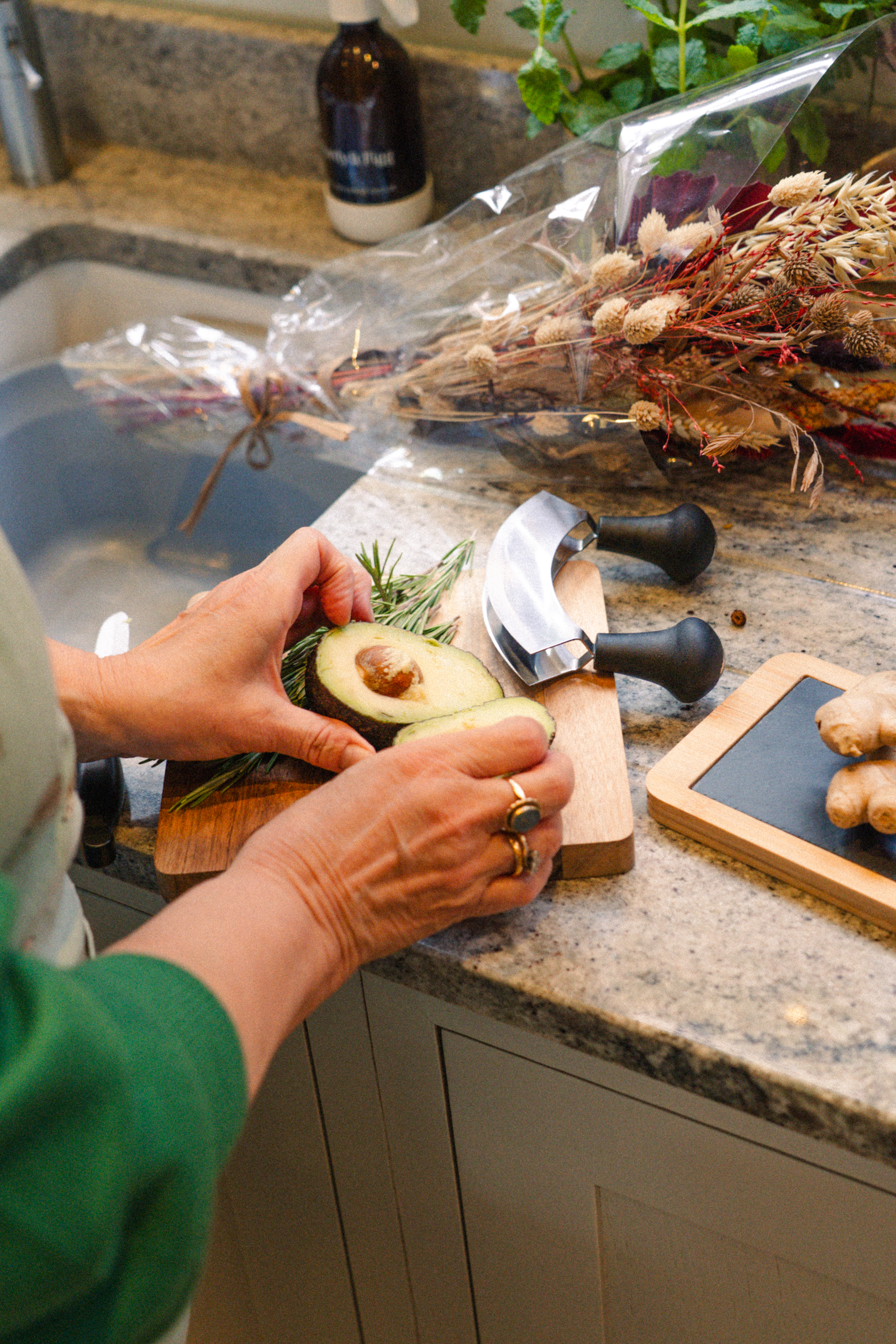
Constipation can happen for a number of reasons. One of the most common is not getting enough fibre, as fibre helps to add bulk and softness to stools and can support regular bowel movements. Not drinking enough fluids can also make stools harder and more difficult to pass. Including healthy fats in your diet may also support healthy digestion, as they may help stimulate the production of bile and, in doing so, speed up transit time, while foods such as avocado, nuts and seeds provide both healthy fats and fibre.
Being less physically active, changes in your usual routine, travelling and changes in diet can all affect your bowel habits too. Some medicines, including certain painkillers and other commonly prescribed medications, can cause constipation as a side effect. Constipation can also be associated with some medical conditions and changes in how the bowel functions.
During perimenopause and menopause, fluctuating and declining oestrogen levels can affect different systems in the body, so you may notice changes in your digestion. However, constipation is not an inevitable part of menopause and shouldn’t be dismissed as such, particularly if your symptoms are new, persistent or significantly different from your usual bowel pattern.
Can menopause cause constipation?
You may have heard that constipation is a symptom of menopause. The relationship is not always straightforward. Menopause itself may not be the sole cause of constipation, but hormonal changes, alongside changes in lifestyle, diet, activity levels, sleep and stress, can all influence your digestive health.
This means that if you are experiencing constipation during perimenopause or menopause, it can be useful to look at the bigger picture rather than assuming hormones are the only explanation.
Other changes around this stage of life may also have an impact. For example, becoming less physically active, going through stressful life events, changing your diet, drinking less water or taking new medicines or supplements can all affect bowel movements.
What does constipation feel like?
Constipation doesn’t necessarily mean that you don’t go to the toilet at all. You may still have regular bowel movements but find that your stools are hard, dry or lumpy, or that you need to strain to pass them.
You may also feel as though you haven’t completely emptied your bowel after going to the toilet. Bloating, abdominal discomfort and feeling the need to pass a stool without being able to do so can also occur.
Everyone has a different ‘normal’ bowel pattern, so there isn’t one specific number of bowel movements that defines constipation. What matters is a change from what is normal for you, as well as the consistency and ease of passing your stools.
What can help relieve constipation?
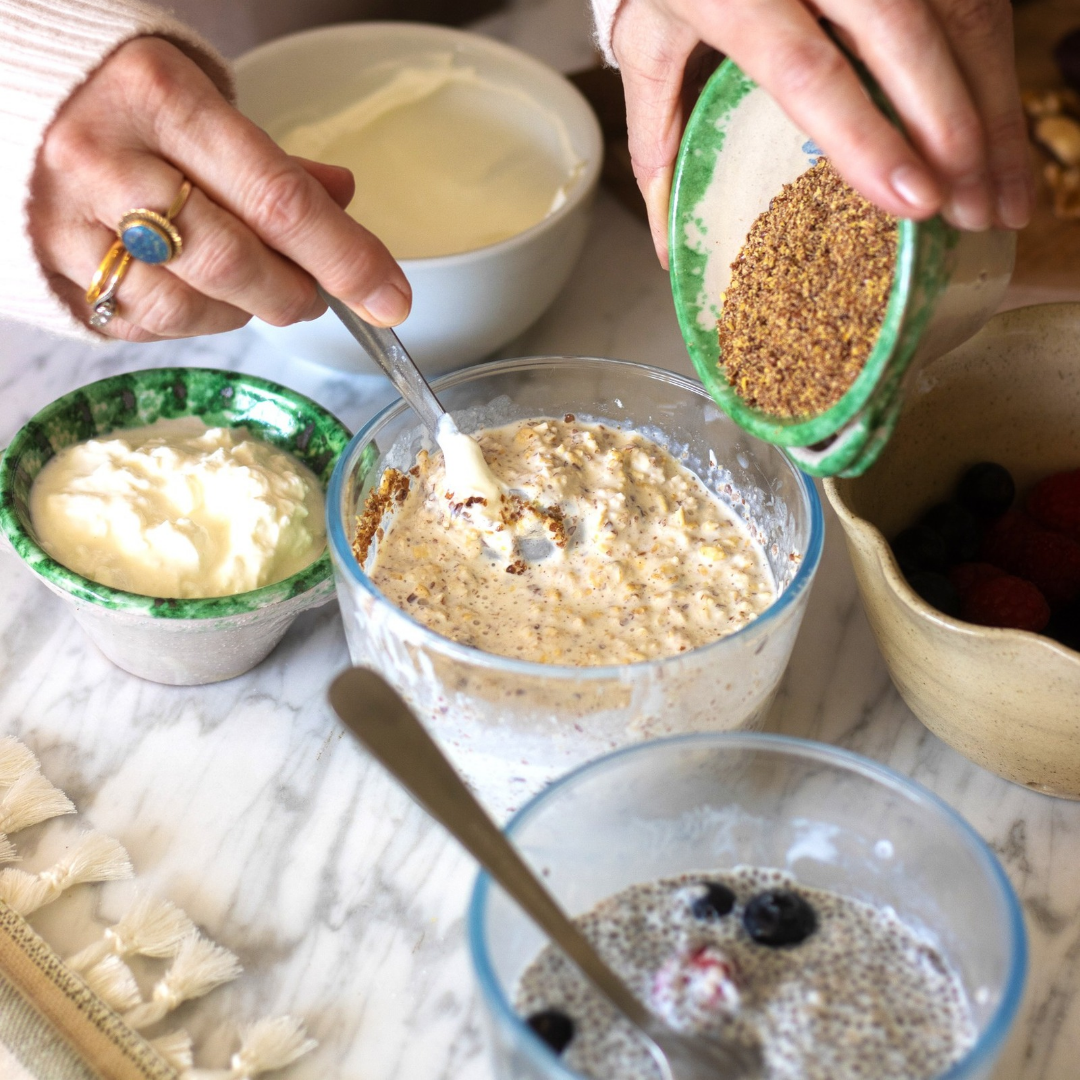
There are several simple measures that can help support regular bowel movements. Increasing the amount of fibre in your diet can be helpful, as fibre can add bulk to stools and help them move through the digestive system. Good sources include fruit and vegetables, wholegrains, beans, pulses, nuts and seeds. Dark chocolate, particularly varieties with a higher cocoa content, can also be enjoyed as part of a varied diet and provides beneficial polyphenols, alongside a little fibre.

It’s best to increase fibre gradually rather than making a sudden, significant change, as increasing it too quickly can cause more bloating or discomfort. Your individual digestive needs also matter, particularly if you have a diagnosed bowel condition, so more fibre isn’t necessarily the right approach for everyone.
Drinking enough fluids is also important. Water and other fluids help to keep stools softer, particularly when you are increasing your fibre intake. If you’re not a big fan of water, herbal teas, like our delicious Tummy Tea, are just as effective. Liquorice, one of the ingredients in our Tummy Tea, has traditionally been used to support digestive health, and research into compounds found in liquorice has identified potential effects on gastrointestinal motility.
Regular physical activity can support normal bowel function too. Even gentle movement, such as walking, can be helpful if you have become less active – and it may also help reduce any extra weight around the waist that many women notice during and after menopause.
It can also help to establish a regular toilet routine. Giving yourself enough time to use the toilet and responding to the urge to go, rather than regularly putting it off, can support healthier bowel habits. Some people find that going to the toilet at a similar time each day, particularly after a meal, helps establish a routine. Put your feet up on some kind of small footstool when you are seated on the toilet to help change the angle of the rectum for easier release. Ideally your feet need to be off the ground by about 6 inches.
If lifestyle changes aren’t helping, speak to a pharmacist or healthcare professional. They can advise whether a laxative or another treatment may be appropriate for you and how it should be used.
When should you see a doctor about constipation?
Most constipation is not serious and can often be improved with simple changes, but a persistent change in bowel habits should not be ignored.
If constipation or a change in your usual bowel movements continues for three weeks or more, speak to your GP or another healthcare professional. This is particularly important if you are over 50 or if the change is unusual for you.
You should seek medical advice promptly if you notice blood in your stool, unexplained weight loss or persistent, unexplained fatigue, particularly when these symptoms occur alongside a change in bowel habits. These symptoms should not simply be attributed to menopause, as they may need further investigation.
If you have severe or worsening abdominal pain, vomiting, significant abdominal swelling or are unable to pass stools or gas, seek urgent medical advice.
Constipation during menopause: the bigger picture
Digestive changes can be frustrating at any stage of life, and experiencing constipation alongside other symptoms of perimenopause or menopause can make it tempting to put everything down to changing hormones. But your bowel habits can be influenced by many different factors.
For more information about constipation, including common causes, ways to support your bowel health and which supplements and other natural remedies can help, check out our Constipation Guide.
If you have any questions about your bowel habits or any other digestive, gut or women’s health issues, please get in touch.

