

What are the most common health questions about immune function and digestive wellbeing?
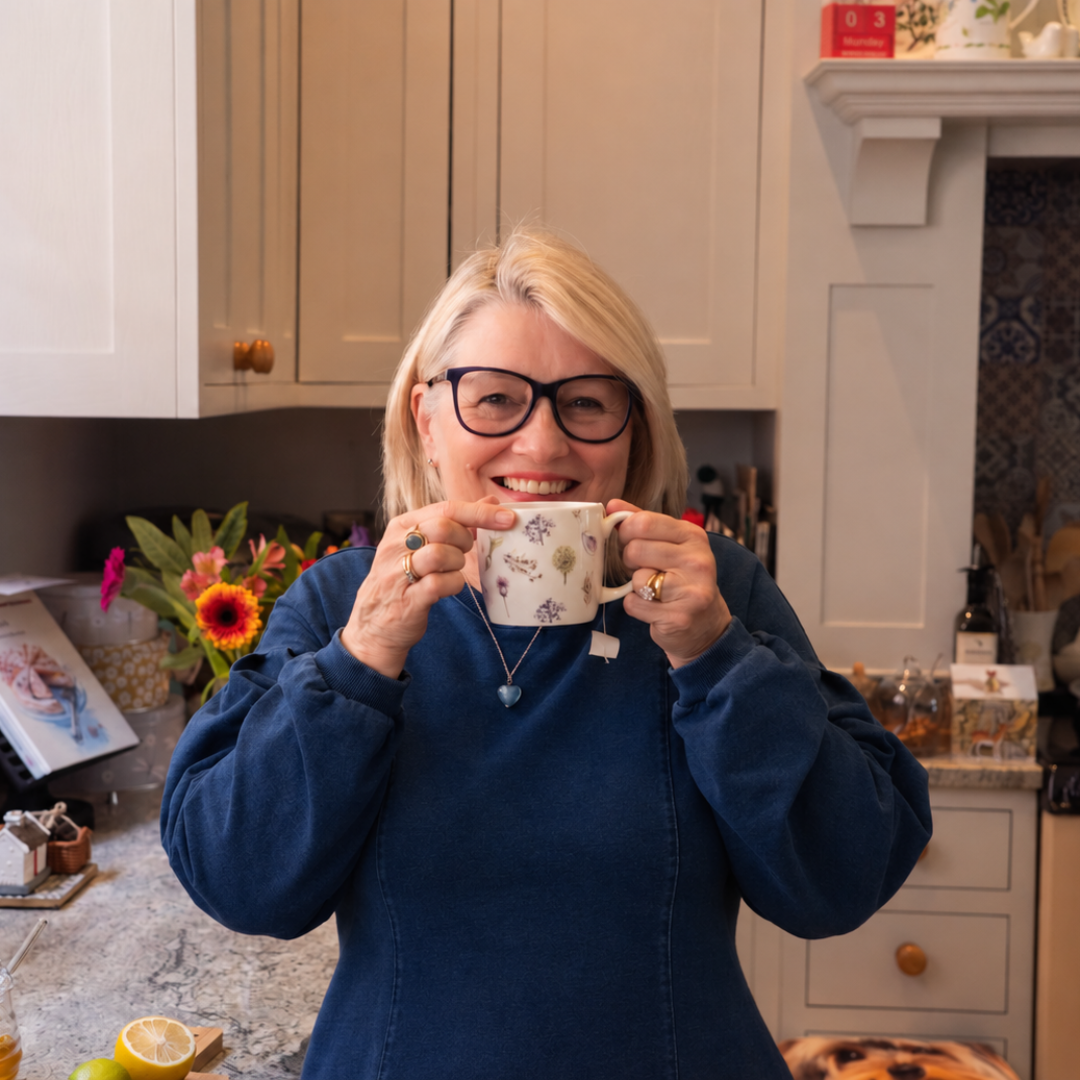
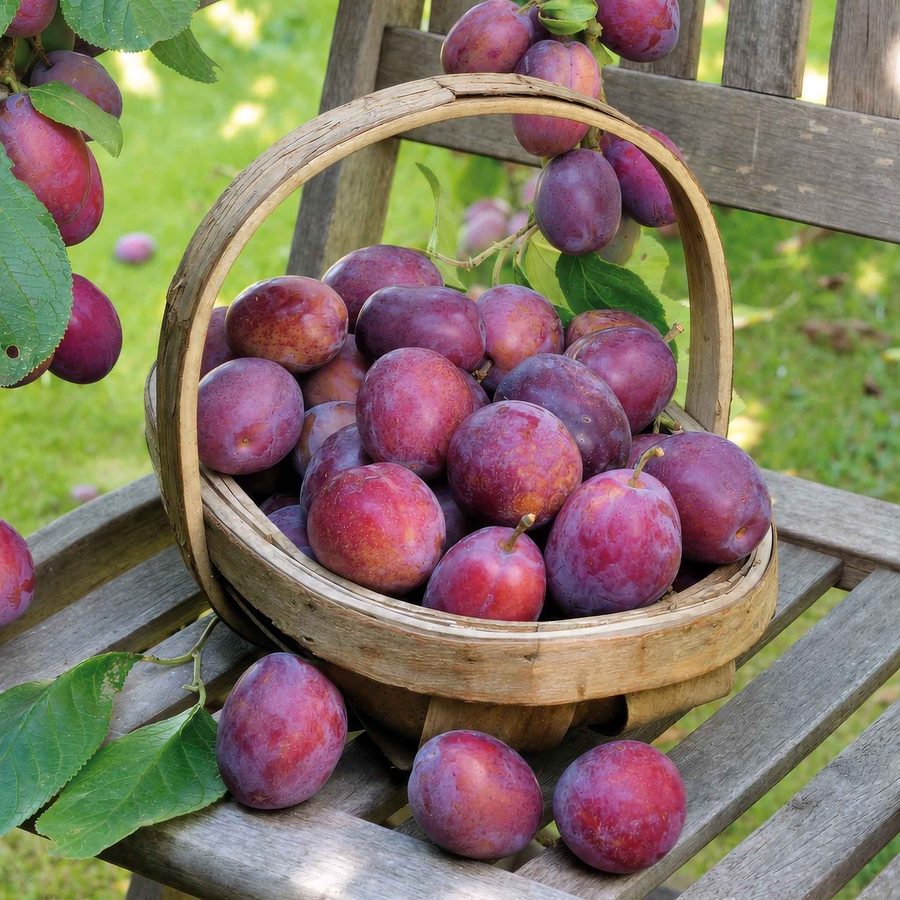
October is here, and I am enjoying the cooler days, the seasonal produce (especially the Victoria plums, a favourite of mine and my late dad’s), the vibrant autumnal colours – and the opportunity to take a little more time for my health and wellbeing after a very busy summer.
Many years ago, when I was suffering with post-viral fatigue, I began a particular kind of acupuncture called ‘Five Element’, the five elements being earth, wood, water, fire and metal. Together with colon hydrotherapy, reflexology and aromatherapy, the acupuncture helped me greatly recover from the PVF. I’ve turned to this form of acupuncture again to help get my immune system ready for the autumn and winter, and I will let you know how I get on with it. I’ve had two treatments so far with needles inserted into my head, ears, trunk, arms, hands, legs and feet! Whilst lying on the couch for the 20 minutes that the needles were in, I felt the most amazing heat pulsating through my body, and a wonderful feeling of wellbeing. I’ve always been a fast responder to acupuncture – lucky me!
This month, we’re focusing on some really important topics, including diverticular disease, menopause, constipation, vitamin D and supporting your body’s natural defences as we head into the colder months.
We’ll be sharing practical advice, helpful information, recipes and supplement insights, all designed to help you understand your body a little better and feel more confident about the choices you make.
Here’s what’s in store this October.
Diverticular Disease Awareness: more understanding, more support
Diverticular disease is a condition that affects many people, yet it isn’t always talked about as openly as it should be.
For people living with diverticular disease, finding clear, practical information about food, lifestyle and ongoing support can sometimes feel difficult. We hear from many, many people who have questions about what they should eat, how to manage their symptoms and what they can do to support their digestive health.
That’s why we’re pleased to see an awareness week dedicated to diverticular disease and the experiences of those living with it.
What is diverticular disease?
Diverticular disease occurs when small pouches, known as diverticula, develop in the wall of the colon. Some people experience symptoms such as abdominal discomfort, bloating or changes in bowel habits, while others may have no symptoms at all.
It’s important to understand that diverticular disease is not the same as diverticulitis, which occurs when diverticula become inflamed or infected.
Throughout October, we’ll explore some of the questions people living with diverticular disease often ask, including:
- What foods may be helpful when living with diverticular disease?
- How can lifestyle habits support digestive health?
- What role might supplements play, and what should you consider before taking them?
- When should you speak to your GP about symptoms or changes in your bowel habits?
Our aim is to provide answers to these questions alongside insights and recommendations that will help you feel better informed.
World Menopause Day 2026: Chronic Pain at Midlife
Menopause is a topic we’re particularly passionate about, and to mark World Menopause Day on October 18th, we’re shining a light on something that doesn’t always get the attention it deserves: chronic pain at midlife.
This year’s theme, chosen by the International Menopause Society, is Chronic Pain at Midlife which is the theme for 2026, chosen by the International Menopause Society. It’s an important opportunity to recognise the ways pain can affect women during the menopause transition, and to encourage more open conversations, better understanding and appropriate support.
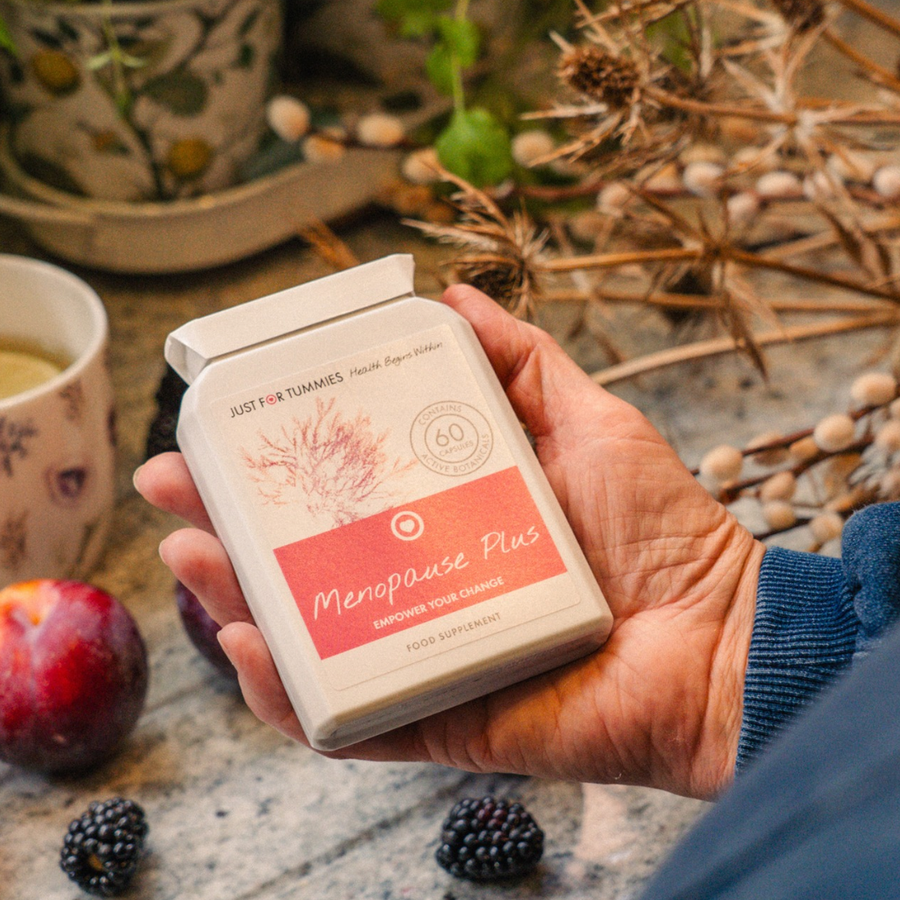
At Just For Tummies, we hear from many women who are struggling with symptoms they may never have experienced before, sometimes without realising that hormonal changes could be part of the picture. Others tell us that the pain they’ve lived with for years feels different, more intense, affecting their daily lives in new ways.
Why can pain change around menopause?
The menopause transition involves fluctuations and, eventually, a reduction in oestrogen levels. These hormonal changes can interact with several systems in the body, including the musculoskeletal system and how pain is experienced and managed. Sleep disruption, stress, changes in physical activity and existing health conditions can also influence pain.
For some women, this may coincide with new or worsening symptoms such as:
- Joint pain and stiffness, including discomfort in the knees, hips, hands or shoulders.
- Muscle aches and generalised body pain, which may feel more persistent than before.
- Headaches or migraines, which can change in frequency or intensity during perimenopause.
- Pelvic or vulvovaginal pain, including discomfort associated with vaginal dryness or pain during sex.
- Existing chronic pain conditions, where symptoms may become more difficult to manage during midlife.
These experiences aren’t the same for everyone, and not all pain is caused by menopause. However, the connection is worth recognising and discussing with a healthcare professional.
This October, we’ll be exploring the wider picture of menopausal wellbeing, with a particular focus on chronic pain at midlife. We’ll be looking at some of the changes that may occur, helping you recognise when symptoms could be worth exploring, and encouraging more open conversations about pain, menopause and the support available.
A special hormone-friendly recipe
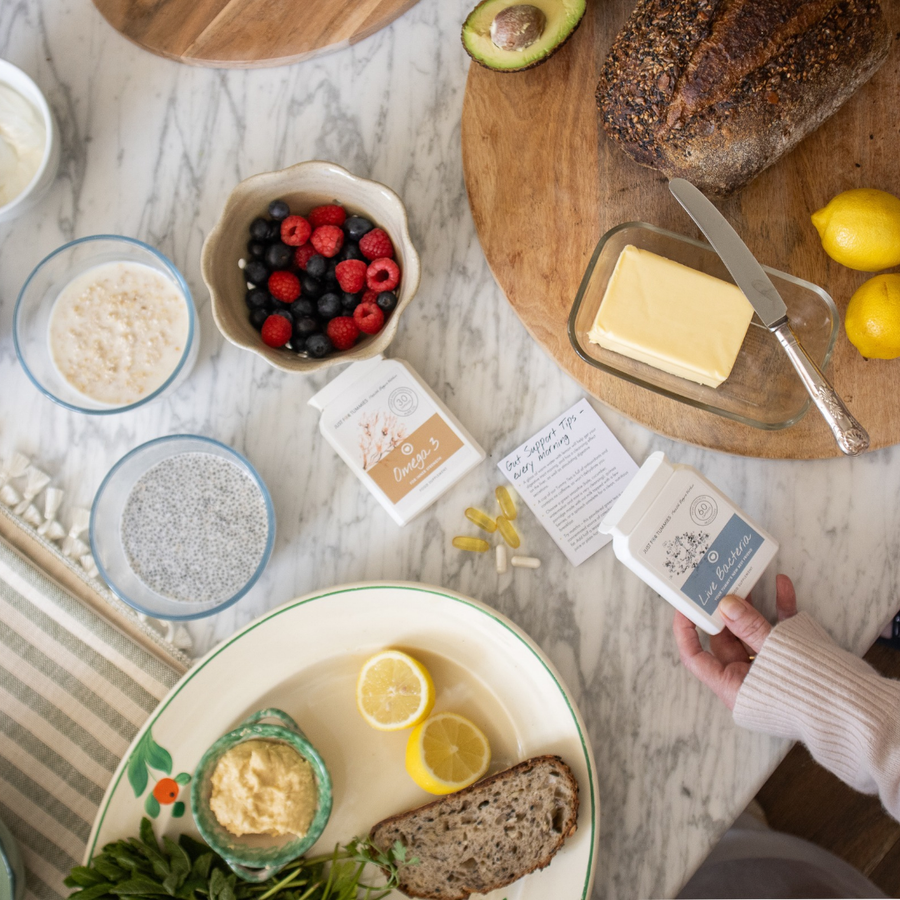
We’ll explore how food can form part of a supportive lifestyle during menopause, and sharing a recipe created with hormonal wellbeing in mind: a nourishing, tasty hummus that includes a variety of beneficial ingredients.
Why is vitamin D important during menopause?
Vitamin D is an important nutrient throughout life, but bone health becomes a particularly relevant consideration during and after menopause.
Oestrogen plays a role in maintaining bone health, and changes in oestrogen levels during menopause can contribute to increased bone loss. Vitamin D helps the body absorb calcium and supports normal bone function.
What does vitamin D do for menopausal women?
Vitamin D contributes to:
- Maintaining normal bones.
- Normal muscle function.
- Normal absorption and utilisation of calcium and phosphorus.
- The normal function of the immune system.
Getting enough vitamin D is one part of looking after your health during midlife and beyond. Your individual requirements may depend on factors such as sun exposure, diet, age and personal circumstances.
In the UK, vitamin D is particularly relevant during the autumn and winter months, when sunlight exposure is reduced. UK government guidance recommends that adults consider taking a daily vitamin D supplement during these months. If you’re not sure of your vitamin D levels, it’s best to get a blood test so that you know how much vitamin D you need to supplement with.
Constipation: why it’s worth taking seriously
Constipation is something many people experience, but it’s often treated as a problem we simply have to put up with.
Constipation is common, but persistent constipation shouldn’t be ignored. There are often practical steps that can help, and understanding what’s causing the problem is an important place to start.
Constipation can occur at any stage of life and may also affect some women during menopause.
We’ll be exploring common contributing factors and steps you can take to support healthy bowel function.
Autumn wellness: supporting your natural defences
This autumn, we’ll continue exploring ways to support your body’s natural defences through everyday habits, nutrition and appropriate supplementation.
How can you support your immune system in autumn?
Your immune system needs a range of nutrients to function normally, and a balanced diet is an important foundation for overall health.
Alongside nutrition, useful areas to consider include:
- Getting enough sleep.
- Eating a varied diet with plenty of nutrient-rich foods.
- Staying physically active in ways that suit you.
- Maintaining good hygiene.
- Considering whether you may need specific nutritional support.
Nutrients such as vitamin D, vitamin C and zinc contribute to normal immune system function. However, no single food or supplement can guarantee that you won’t get ill, and supplements should complement rather than replace a balanced diet and appropriate healthcare.
We’ll be sharing practical ideas to help you build supportive habits for the season.
If you’ve ever wondered whether a symptom could be connected to something else, what dietary changes might help, or whether a supplement could be appropriate for you, we hope you’ll find something useful in the information we share in the weeks ahead.
Here’s to a healthier, more informed October.
The information shared on our blog is for general educational purposes and is not a substitute for personalised medical advice. If you have persistent, severe or concerning symptoms, please speak to your GP or an appropriate healthcare professional.

