


If you have started taking Ozempic, Wegovy or Mounjaro, you may have noticed that your bowel has become sluggish.
Constipation is a recognised digestive side effect of GLP-1 medications. Symptoms can include fewer bowel movements, harder stools, straining, incomplete emptying, bloating, trapped wind or a feeling that food is sitting heavily in the stomach.
What are GLP-1 medications?
GLP-1 medications are prescribed to help manage type 2 diabetes and, in certain circumstances, obesity and weight management.
Common GLP-1 medications include:
- Ozempic
- Wegovy
- Mounjaro
- Saxenda
- Rybelsus
- Trulicity
Ozempic and Wegovy both contain semaglutide, while Mounjaro contains tirzepatide. These medicines work in several ways. They help regulate blood glucose, reduce appetite and help you feel fuller for longer. One of the ways they do this is by delaying the rate at which the stomach empties.
Why can Ozempic or Mounjaro cause constipation?
Constipation on GLP-1 medication usually has more than one possible cause.
Digestion may become slower
GLP-1 medications slow stomach emptying and can affect the movement of food through the digestive system. This may mean stools remain in the colon for longer, allowing more water to be absorbed and making them harder and more difficult to pass.
You may be eating and drinking less
Weight-loss injections reduce appetite, which can mean eating less food and fibre. Some people also drink less due to feeling full or experiencing nausea, which can contribute to harder stools and constipation. The MHRA warns that gastrointestinal effects from GLP-1 medicines can contribute to dehydration, which can occasionally become serious. Read more here: MHRA safety guidance
What does GLP-1 constipation feel like?
Signs can include:
- Fewer bowel movements
- Hard or dry stools
- Straining
- Feeling you haven’t emptied properly
- Bloating or trapped wind
It is important to remember that constipation is not defined only by how often you go. You can open your bowels every day and still be constipated if you pass only small amounts or never feel properly emptied.
How to help constipation while taking Ozempic, Wegovy or Mounjaro
Drink regularly throughout the day
Sip water regularly rather than trying to drink a large quantity in one go, particularly if you feel full or nauseous.
Around 1.5–2 litres of fluid a day may be appropriate for many adults, but individual needs vary. Follow your healthcare professional’s advice if you have kidney disease, heart problems or have been told to restrict fluids.
Increase fibre gradually
Fibre can help support regular bowel movements, particularly if a reduced appetite means you are eating less fibre-rich food. Introduce fibre slowly and always take it with plenty of water, as increasing too quickly may worsen bloating and constipation.
If you are struggling to eat enough fibre from food, our Fibre tablets may provide additional support when used as directed. Fibre supplements may not be suitable for everyone, particularly if there is suspected bowel obstruction or faecal impaction, so speak to a healthcare professional if you have concerns.

Include foods that naturally support the bowel
Useful choices may include:
- Kiwi fruit
- Pears, plums and prunes
- Ground linseed or flaxseed
- Oats
- Cooked vegetables
- Beans and lentils, if tolerated
- Olive oil and other sources of healthy fats
Choose foods that agree with your digestive system and increase them gradually.
Keep moving
A daily walk can help stimulate the natural muscular contractions that move waste through the bowel. Even short, regular periods of gentle movement can be beneficial if you do not feel able to exercise vigorously.
Establish a bowel routine
Try sitting on the toilet at approximately the same time each day, ideally after breakfast or another meal, when the bowel’s natural gastrocolic reflex is most active.
Place your feet on a small stool so that your knees are slightly higher than your hips. Lean forward and breathe steadily instead of straining.
Never repeatedly ignore the urge to open your bowels.
Some people explore additional approaches such as colon hydrotherapy. Always choose a registered practitioner and discuss any concerns with a healthcare professional. Visit: www.colonic-association.org or https://rictat.org/ to find a registered colon hydrotherapist near you.
Supporting your digestion while taking GLP-1 medication
Alongside drinking enough fluid, gradually increasing fibre, eating regularly and keeping active, some people may benefit from additional digestive support.
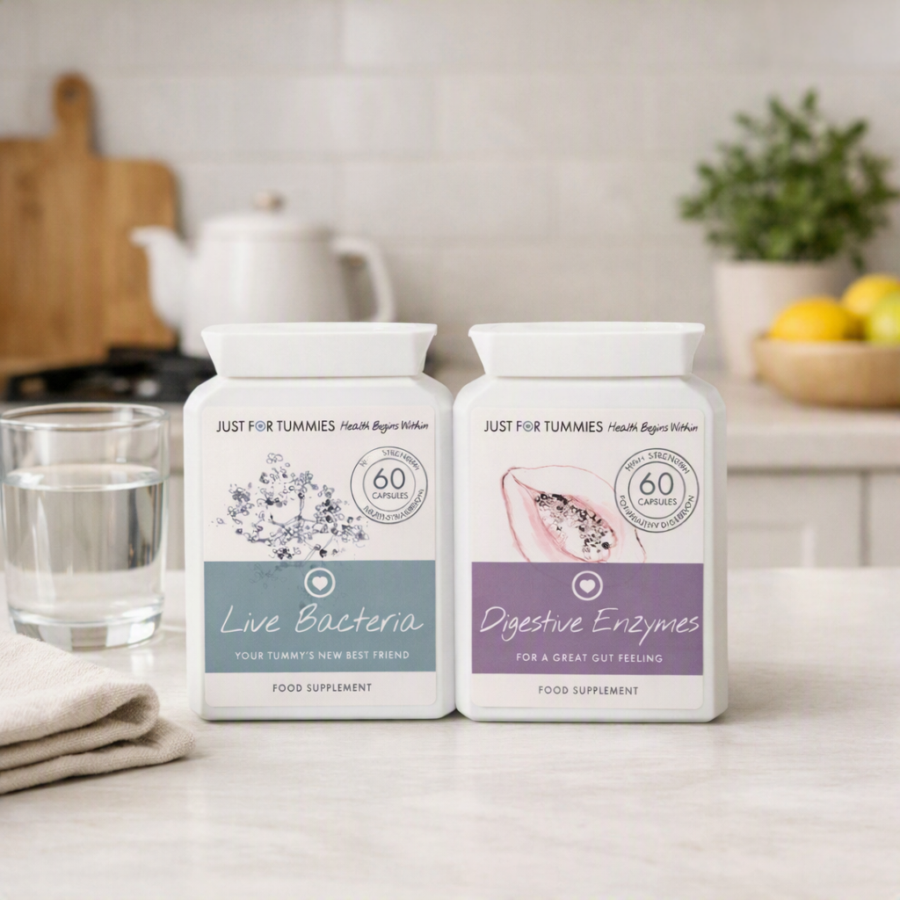
Changes in appetite and diet can affect the gut environment. A daily probiotic may help support a healthy gut microbiome, particularly if you already experience digestive sensitivity.
Because GLP-1 medications can slow stomach emptying, some people experience fullness, bloating or indigestion. Digestive Enzymes taken before meals may support normal digestion but do not speed up gastric emptying.
If you are already severely constipated, have significant abdominal pain, vomiting, a swollen abdomen, or cannot pass wind, seek urgent medical advice rather than adding more fibre.
Does GLP-1 constipation go away?
For many people, constipation is most noticeable during the first few weeks of treatment or after increasing the dose. Symptoms often improve as the body adapts, particularly if fluid intake, fibre intake and activity are optimised. However, some people continue to experience constipation throughout treatment and may need ongoing dietary changes or advice from their healthcare professional.
Review your symptoms before increasing your GLP-1 dose
Digestive side effects can become more noticeable after a GLP-1 dose increase. If constipation is persistent or difficult to manage, speak to the clinician prescribing your medication before your next dose increase.
Do not stop or change a prescribed medicine without discussing it with your prescriber.
Final thoughts
Experiencing GLP-1 constipation can be frustrating, but for many people it is a temporary side effect that improves as the body adjusts to treatment. Whether you’re dealing with Ozempic constipation, Mounjaro constipation, Wegovy constipation or constipation from another GLP-1 medication, simple lifestyle changes can often make a real difference.
Staying hydrated, gradually increasing fibre and keeping active can all help support bowel regularity. If you need extra support, a fibre supplement such as our Fibre tablets may help when used alongside a healthy diet and lifestyle.
Looking after your digestion is an important part of getting the most from your weight-loss medication, and with the right support, most people can continue treatment while keeping their gut as comfortable and healthy as possible.
If you have any questions about GLP-1 or another kind of constipation, or a completely different digestive issue, please get in touch.

