


Let’s talk about probiotics – we love this subject, although we know not everyone is convinced. I became convinced whilst still in clinical practice as a colon hydrotherapist, when I would recommend strain-specific probiotics to my clients, and witness often miraculous improvements in their symptoms.
For years, probiotics have had their fair share of sceptics. And to be fair, early research was mixed, and not all products on the market were created equal.
But over the past decade, that’s changed.
There’s now a growing body of high-quality, peer-reviewed research – including randomised, placebo-controlled trials – showing that specific probiotic strains, at the right dose, can have meaningful benefits for gut health and beyond.
In fact, a recent comprehensive scientific review highlighted just how central probiotics are to overall health – particularly in maintaining the balance of the gastrointestinal tract, which in turn influences everything from immunity to metabolism and even mental wellbeing.
So rather than making vague claims, we believe in being transparent about what’s actually in our formulations – and the science behind why we chose each strain.
Each strain in our Just For Tummies probiotics is selected based on peer-reviewed evidence for their efficacy and safety in humans – chosen based on what I tried and tested on my clients during 15 years of clinical practice, sorting out the wheat from the chaff in terms of the most effective bacterial strains.
Notably, the scientific review mentioned above highlights that Lactobacillus and Bifidobacterium species are among the most widely used, safest and researched probiotic groups, recognised for their role in supporting digestive health, immune function, and microbiome balance.
Here’s a closer look at the carefully selected bacteria in our two probiotics – Live Bacteria and For Women – and what the research says they can do.
Live Bacteria
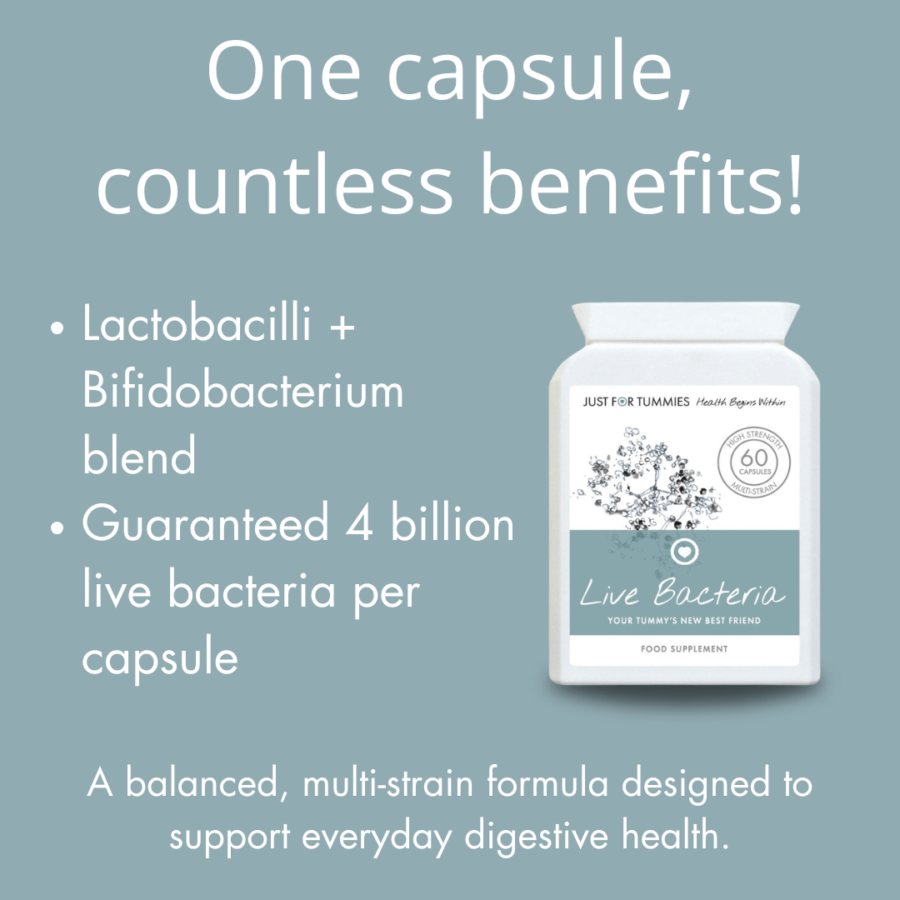
Why these strains?
This combination of Lactobacillus and Bifidobacterium species reflects what we naturally find in a healthy gut microbiome. Research shows that multi-strain probiotics like these can:
- Support digestive comfort and regularity
- Help maintain microbial balance
- Maintain normal transit time in the bowels
- Contribute to improved IBS symptom scores in clinical studies
In particular, strains such as Lactobacillus acidophilus and Bifidobacterium breve have been studied in randomised, placebo-controlled trials, showing improvements in bloating, abdominal discomfort and overall gut wellbeing.
Bifidobacteria also play a key role in producing short-chain fatty acids – compounds that help nourish the gut lining, reduce the risk of leaky gut, inflammation, and infection as well as supporting immune function.
For Women
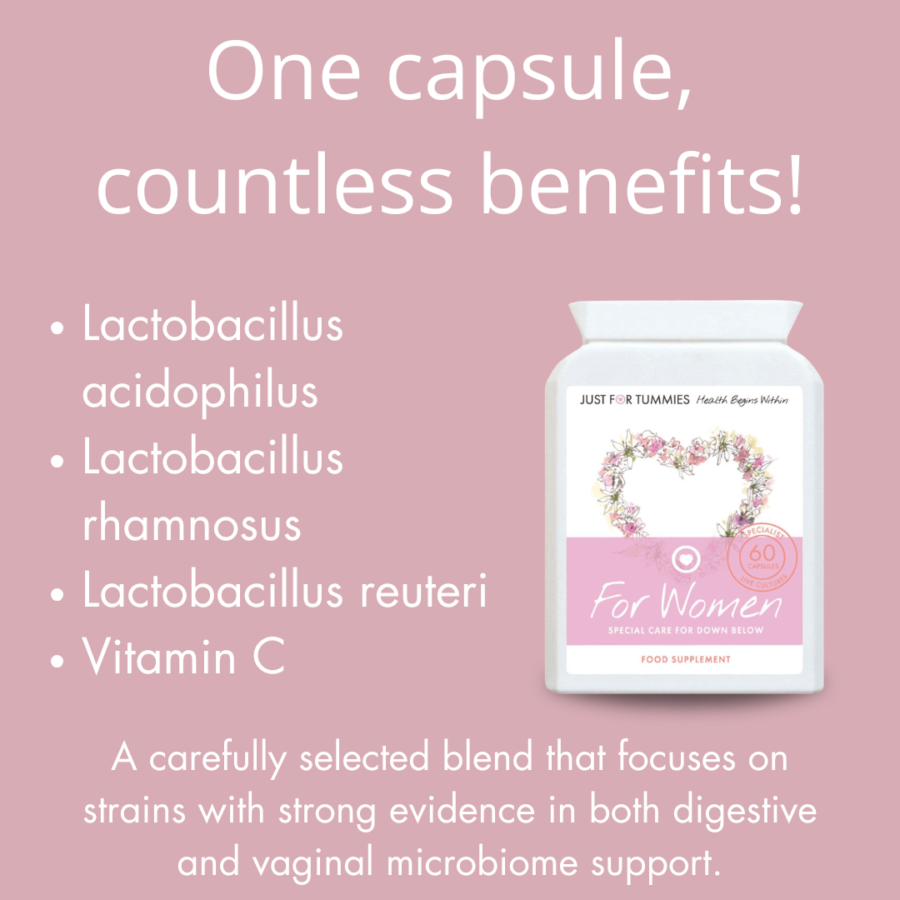
Why these strains?
- Lactobacillus rhamnosus is one of the most researched probiotic strains, shown in clinical studies to support gut barrier function, reduce inflammation and help regulate the microbiome. It has also been widely studied for maintaining a healthy vaginal environment.
- Lactobacillus acidophilus contributes to microbial balance by producing lactic acid, helping create conditions that discourage harmful bacteria. Clinical trials have linked it to improvements in digestive symptoms such as bloating and discomfort.
- Lactobacillus reuteri has been studied for its role in supporting both gut and intimate health, including maintaining a balanced vaginal microbiota.
- Vitamin C supports normal immune function, complementing the role of beneficial bacteria in protecting the body.
Why strain selection matters
Not all probiotics are the same. The benefits seen in research are strain-specific and depend on using the right combinations at the right dose.
Across both products, the selected strains have been linked to:
- Improved digestive comfort
- Support for microbiome balance
- Positive effects on gut barrier and immune function
- Additional targeted support for women’s intimate health
Why formulation matters
It’s not just about which strains you take and the quality of those strains – but how they’re delivered.
Emerging research highlights the importance of protecting live bacteria so they survive manufacturing, storage and the journey through the digestive system. Techniques such as encapsulation can help improve stability, viability and effectiveness – ensuring more of the bacteria reach where they’re needed. This is why I prefer probiotic powder in a capsule as the bacteria have quite a journey to make before they get into the gut, negotiating stomach acid, pancreatic enzymes and bile acids.
If you would like to know more about our probiotics or any of our other supplements, and how they may help you, please get in touch.

